Business & Rural
8 June, 2026
Renewable energy zones declared
Properties in St Arnaud, Charlton and surrounds now sit in the Western region - which sits alongside the South West Central Highlands, Gippsland, North West - as well as the Gippsland Shoreline Renewable Energy Zone, which will host underground cables connecting offshore wind energy to the grid.
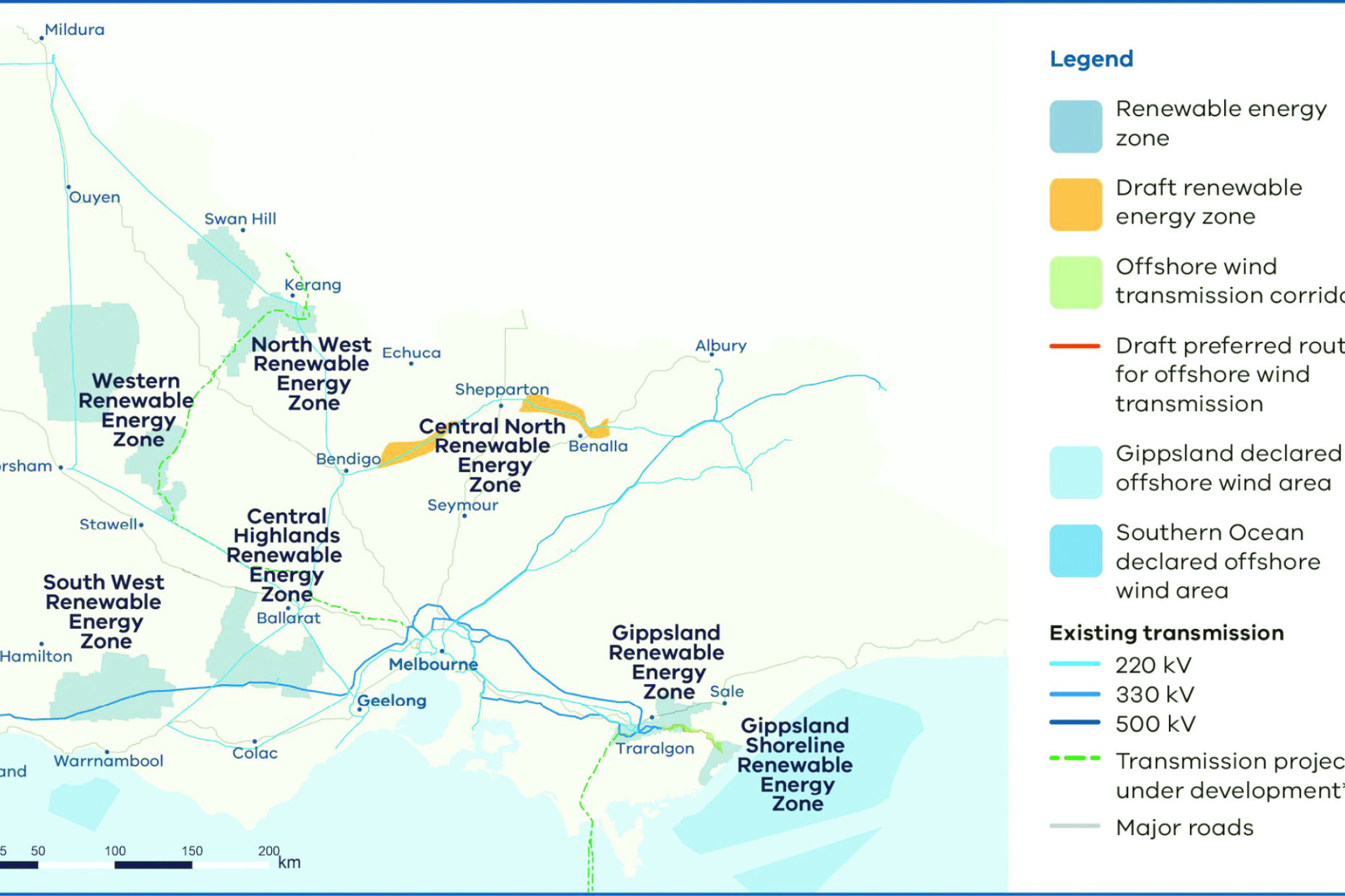
THE State Government has split Victoria into five zones in a “step towards Victoria’s transition to renewable energy”.
And the farmers feel they haven’t been heard.
Properties in St Arnaud, Charlton and surrounds now sit in the Western region - which sits alongside the South West Central Highlands, Gippsland, North West - as well as the Gippsland Shoreline Renewable Energy Zone, which will host underground cables connecting offshore wind energy to the grid.
VicGrid chief executive Alistair Parker said he welcomed the Government’s decision to declare Victoria’s first renewable energy zones, which would improve coordination of solar, wind and battery projects and reduce the need for unnecessary transmission infrastructure.
“Victoria’s coal-fired power stations are due to close over the next decade and a significant amount of new renewable energy development is needed to make sure we can meet increasing demand for electricity,” he said.
“Renewable energy zones will ensure better coordination of projects and signal to communities and industry where the development of renewable energy should occur.”
“The Minister’s declaration of zones will enable VicGrid to set clearer rules around how projects gain access to the grid, including expectations for how they engage with communities and deliver benefits.”
But this announcement has sparked a heated response online.
“Our community said no to being in a REZ and NO to hosting renewables energy infrastructure,” Farmers Fightback said.
“The Victorian Government ignored the community over and over and by doing so have declared destruction on our community. No means no.”
Mr Parker said the zones had been designed to make the most of existing infrastructure and to minimise impacts for regional communities, the environment, landholders and key regional industries like agriculture.
The zones follow a statewide strategic land use assessment and more than two years of consultation with regional communities and stakeholders, landholders, agriculture stakeholders, Traditional Owners and the energy industry.
Consultation with farmers and their representatives helped VicGrid focus zones on areas where we were told agricultural practices were more compatible with renewable development, like dryland broadacre cropping and grazing, and to avoid wherever possible intensive agriculture and irrigated districts.
Mr Parker said only a small proportion of the land in each zone will be needed for renewable development, with much less than one per cent of Victoria’s total land area required for physical infrastructure such as wind turbines, solar panels and access roads.
VicGrid also released for consultation draft Victorian Transmission Plan Guidelines, setting out the proposed approach that will be taken to developing the next Victorian Transmission Plan in 2027. This plan will take a 25-year view of the state’s transmission and renewable energy generation needs.
More details on renewable energy zones and consultation on the draft 2026 Victorian Transmission Plan Guidelines are available at vicgrid.com.au.